
Welcome to New Hempstead: Where History Meets Home
Nestled in the heart of the Town of Ramapo, New Hempstead is a neighborhood where time seems to weave old stories into the fabric of daily life. As a longtime resident, I’m often asked what makes New Hempstead special. The answer? It’s a unique blend of deep historical roots, vibrant community spirit, and the gentle evolution that keeps its heritage alive. From quiet, tree-lined streets like Hempstead Road to historic religious institutions and preserved parks, New Hempstead feels like a living celebration of its own past.
Origins: The Birth of New Hempstead
To trace New Hempstead’s beginnings, we need to journey back to the 18th century. The hamlet emerged as part of the larger Town of Hempstead Purchase (much of which is today’s Ramapo). Early European settlers, mostly of Dutch and English descent, were drawn by the area’s fertile land and rolling hills. The neighborhood’s name is a nod to Hempstead, Long Island, where many of its original settlers hailed from, carrying the moniker “New Hempstead” with them as they forged a new community in Rockland County.
By the early 19th century, New Hempstead had developed its own identity, marked by its distinctive rural charm and close-knit population. Farming, dairy production, and small-scale mills formed the economic backbone, and the layout of early homesteads can still be glimpsed in the winding paths of local roads and property lines.
Key Historical Milestones
- The New Hempstead Presbyterian Church (1827):
One of the neighborhood’s jewels, this historic church on New Hempstead Road has been standing since the early 1800s, making it among the oldest in the region. Its white steeple is not just a religious landmark, but a cultural anchor for generations of residents. The churchyard, dotted with centuries-old headstones, tells silent stories of the community’s founding families.
- Formation of the Village of New Hempstead (1983):
While New Hempstead’s roots stretch back more than two centuries, it was officially incorporated as a village relatively recently. The move reflected local desires to shape zoning, land use, and preserve the area's distinct neighborhood feel in the face of Ramapo’s growth.
- Historic Roadways and Homes:
Streets like Union Road and Brick Church Road are pathways through time, lined with mid-19th and early 20th-century homes. Many residences proudly display plaques signifying their heritage, with architectural styles ranging from stately Colonials to quaint Victorians.
Notable Landmarks and Institutions
- New Hempstead Presbyterian Church and Cemetery: As mentioned, it is both a place of worship and a crossroads of the neighborhood’s history.
- Hempstead Elementary School: Once the heart of education for local children, its legacy endures even as district lines and demographics have shifted.
- Community Green Spaces: Modern parks such as New Hempstead Park, located off Bonnie Court, provide residents with trails, playgrounds, and room for summer gatherings. These spaces were carved out as part of the village’s effort to maintain a suburban-rural balance amid Rockland’s broader suburbanization.
- Historic Homes and Barns: Along Call Hollow Road and around the Lake Suzanne area, glimpses of the past survive in lovingly restored barns and antique stone walls.
A Neighborhood in Evolution
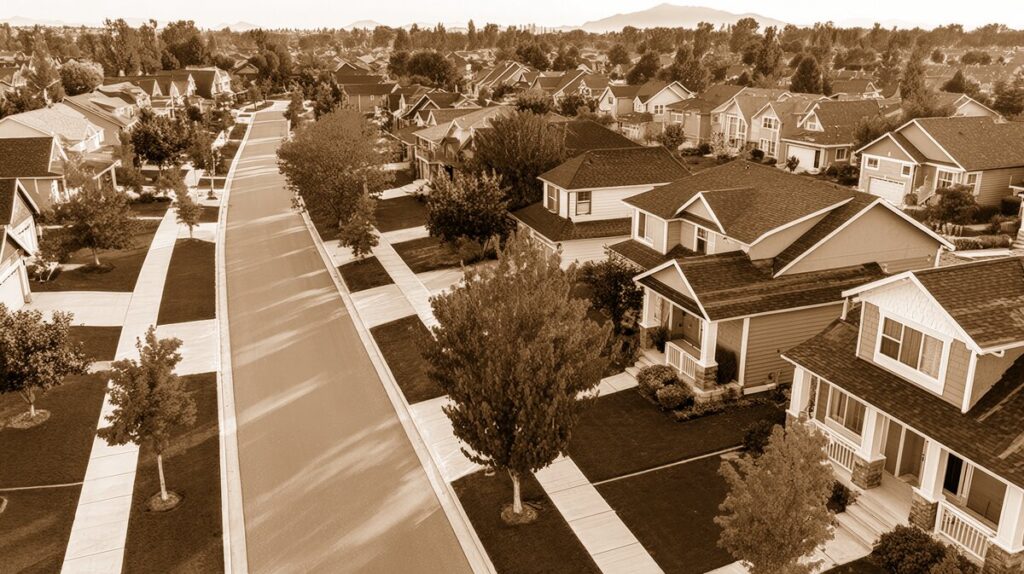
Over the decades, New Hempstead has gracefully adapted to change while staying true to its roots. The post-war boom of the mid-20th century transformed its fields and farms into leafy residential neighborhoods, attracting families seeking a peaceful escape from New York City. Homes with large lots, mature maples, and winding driveways became the hallmark of New Hempstead living.
Recent decades brought further shifts. New Hempstead’s population has grown more diverse, reflecting the evolving character of Rockland County. Newer institutions, including several synagogues and cultural centers, bear witness to this multi-ethnic spirit. Yet, amid change, the community's pride in its historical fabric remains unwavering—neighbors still gather at the church, schools, and parks to celebrate holidays, host fairs, and volunteer for local causes.
Local government has played a pivotal role in managing growth, maintaining zoning ordinances that protect green spaces and historic character. For instance, strict codes along Union Road and Brick Church Road have helped preserve old-growth trees and the signature look of many century-old homes.
The Streets That Tell Stories
Walking through New Hempstead is a lesson in local lore:
- New Hempstead Road: The main artery, tracing the original settlers’ route, it’s lined with homes blending old-world charm and modern comfort.
- Union Road: Once a farm-to-market trail, now a welcoming street dotted with family houses and flowering gardens.
- Brick Church Road: Named after the "Brick Church" that once stood here—another historic gathering point now memorialized in local tales.
- Lake Suzanne: A tranquil pocket neighborhood, where rustic cottages from the early 1900s still overlook the water’s edge.
New Hempstead Today: Heritage in Everyday Life
What makes New Hempstead truly special is how history is not confined to dusty archives—it’s lived every day. Whether it’s a sunset softball game at New Hempstead Park, a Sunday service inside the old church, or the annual community yard sale that brings together newcomers and longtime residents, the sense of continuity is palpable.
Local institutions—both schools and houses of worship—anchor the community’s rhythm. Families often speak of generations who grew up on the same blocks, attended the same summer picnics, or volunteered for civic projects together. This sense of belonging, rooted in a shared past but open to the future, defines the very spirit of New Hempstead.
Looking Forward: Preserving the Past, Embracing the Future
As New Hempstead moves ahead, the challenge—and the joy—is in balancing growth with preservation. The stewards of the neighborhood are its residents, who champion local history and welcome new traditions. Each restored home, each tended flowerbed, and each community event is a thread in the tapestry begun by those first settlers centuries ago.
Whether you are a current resident or a curious visitor, take a walk down New Hempstead Road, listen to the stories in the wind, and you’ll understand why this neighborhood, rich with heritage, is such a cherished corner of Ramapo.